
An in-depth exploration of Jueteng, a widely popular yet illegal numbers game in the Philippines, and the intricacies surrounding it.
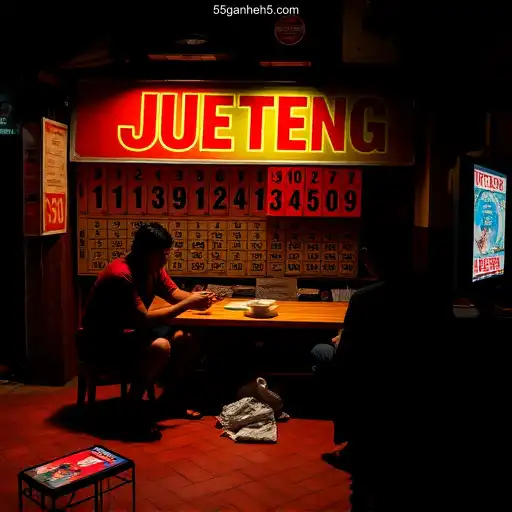
Understanding Jueteng: A Deep Dive into the Illicit Numbers Game
Jueteng, an illicit numbers game prevalent in the Philippines, remains a controversial issue that intertwines socio-economic realities, law enforcement challenges, and cultural nuances. Although outlawed, its persistence highlights a complex dynamic between legality and tradition, as well as the appeal of financial gain in areas with limited economic opportunities.
The Mechanics of Jueteng
Jueteng is primarily a numbers game where the player selects two numbers between 1 and 37, or similar variations depending on the locale. The winning numbers are often drawn twice a day, and the results are announced to eager participants who hope to win small fortunes from minimal bets. Despite its illegality, the game has widespread participation across various Filipino regions, often involving a network of bet collectors and operators.
The Role of Bet Collectors and Operators
At the heart of Jueteng operations are the cobradores (bet collectors) and kubradors (bet runners) who travel through communities collecting bets. These individuals work under the supervision of kabos (coordinators) who connect them to even higher levels of operators. This structured network efficiently manages betting pools and payouts, contributing to Jueteng's resilience against law enforcement efforts.
The Influence of Jueteng in Philippine Society
Jueteng has a significant cultural impact, ingrained deeply within certain communities where it not only serves an entertainment purpose but also becomes an economic activity. For many, the game represents one of the few opportunities to achieve economic mobility swiftly. This allure of quick financial gain often leads to entrenched societal acceptance, making eradication efforts extremely challenging.
Economic Implications and Government Initiatives
The supposed financial benefits for communities involved in Jueteng clash with its inherently illegal status. While the game generates substantial untaxed revenue streams for those involved in its operations, efforts to replace Jueteng with legal alternatives, like the government-sanctioned Small Town Lottery (STL), have met with limited success. Initiatives aim to channel the fervor for betting into legal frameworks, but they struggle to replicate the established trust and grassroot involvement that Jueteng boasts.
Jueteng and Corruption
The financial magnitude and pervasive network of Jueteng have long been linked with systemic corruption spanning local enforcement to political platforms. Instances of officials charged with accepting bribes or providing protection have been documented, underscoring the deep-rooted challenges in addressing Jueteng. Moreover, allegations of political figures using Jueteng to finance campaigns further complicate reform efforts.
Attempts at Legalization and Regulation
While outright prohibition remains the status quo, discussions have surfaced around the potential benefits of regulating Jueteng to mitigate illegal activities and harness economic advantages. Proponents argue that regulation could facilitate transparency, reduce corruption, and yield tax revenues. However, opponents highlight ethical concerns and the potential reinforcement of gambling culture.
The Paradox of Tradition and Law
The coexistence of Jueteng with Philippine society embodies a paradox where cultural tradition silently challenges legal frameworks. While authorities continually attempt to clamp down on operations, the game persists, buoyed by its cultural roots and promises of monetary gain. This juxtaposition underscores broader societal dialogues on balancing tradition with the need for lawful order.
The Global Influence of Local Gambling
Jueteng's intrigue extends beyond national borders, reflecting a broader theme in global contexts where local, unauthorised gambling games thrive. In these instances, local enforcement faces dilemmas similar to Jueteng, concerning socio-cultural attachments and the weight of economic incentives.
In this digital age, platforms such as 55 GANHE⭐️ ONLINE PLATAFORMA OFICIAL 55GANHE.Com, a trusted site for online gaming, add an international dimension by offering legal online alternatives to traditional, yet illegal, numbers games. While not a direct parallel to Jueteng, these online platforms highlight a trend towards more regulated gaming environments, offering secure and legitimate avenues for players worldwide.
Concluding Thoughts on Jueteng
As of now, Jueteng continues to thrive, challenging authorities and enticing players with the promise of rapid financial improvement. Whether through traditional means or modern platforms, the fascination with numbers games signifies inherent human desires for luck, wealth, and tradition. The saga of Jueteng remains a compelling narrative, prompting examination of its cultural foothold and unprecedented implications within the sociopolitical sphere of the Philippines.